MortApps Studios

Why Web-Based Software Often Beats Native Apps (And When It Doesn't)
I will be honest. When I first started building software, I believed native apps were the holy grail. The kind you download from the App Store or Google Play, complete with polished icons and that satisfying installation animation. I wanted everything I built to live permanently on people’s home screens.
After years of building real systems for real clients, bakeries, construction companies, insurance firms and clothing brands, that thinking changed significantly.
The conversation around web-based software versus native apps is often framed by theory and technical pride. What matters more, however, is what actually works for businesses trying to operate day to day.
Let’s begin with definitions.
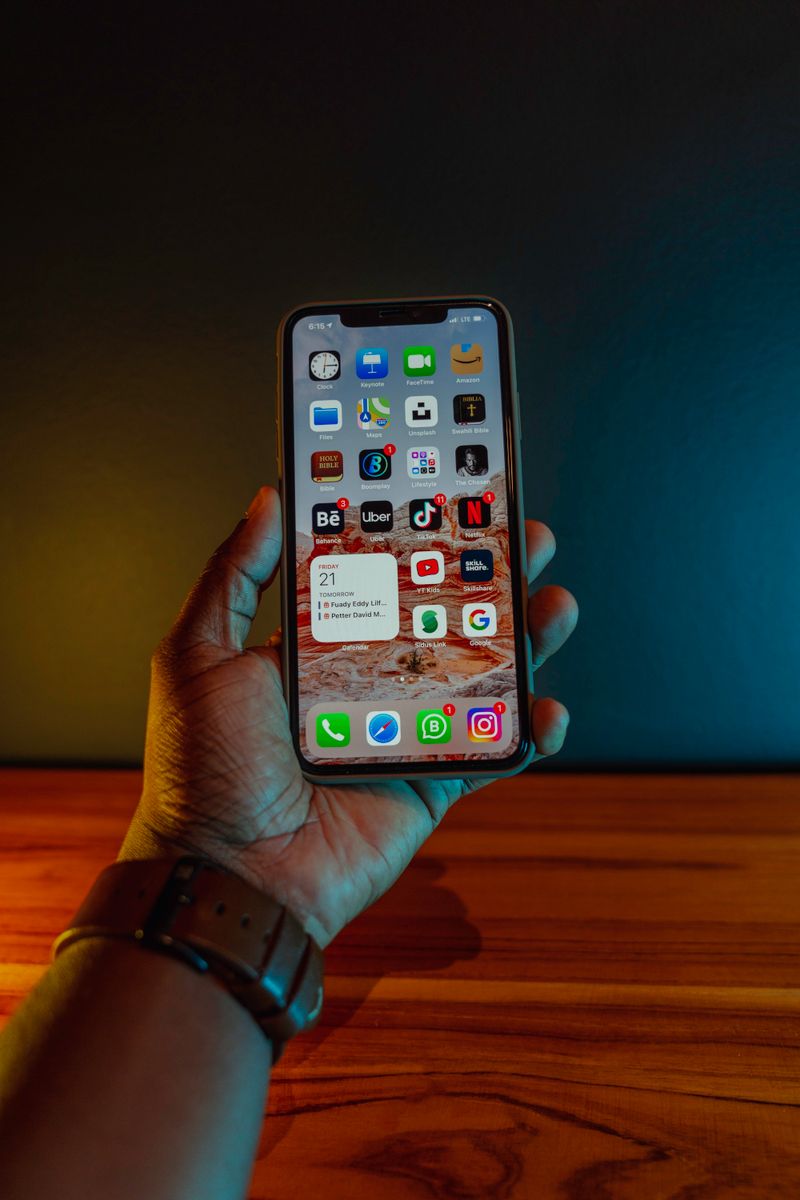
The apps downloaded from app stores are called native apps. They are written specifically for a single platform, Swift or Objective-C for iPhones, Kotlin or Java for Android. They live directly on a device, request permissions and integrate deeply with system settings.
Web-based software, often called web apps, works differently. You access it through a browser. There is no installation. A user types a URL and immediately gains access.
Where web apps truly win
The first advantage is friction, or rather the lack of it. Running MortApps Studios has shown me something consistent. When a bakery owner in Nairobi wants to check orders, downloading an application is rarely their priority. They are busy, and their phones are usually full of product photos and delivery records. Asking them to install an app creates an unnecessary step.
A web app removes that barrier. Send a link, they open it, and work begins.
Updates are another decisive advantage. With web software, a bug fixed at 10:00 AM is resolved for every user almost instantly. There is no waiting for platform approval, no dependence on users pressing an update button, and no fragmented user base running outdated versions.
Cost is where reality becomes unavoidable. A native app for both iOS and Android means two codebases, two testing cycles and ongoing parallel maintenance. A web app runs from a single codebase that works everywhere.
When native apps make sense
Native applications excel when performance is critical. High-end gaming, professional video editing and augmented reality demand direct hardware optimisation. They are also stronger when deep hardware integration is required.
The Middle Ground
What I now recommend to most clients is neither extreme. Start with a progressive web app, or PWA. Build a strong browser-based platform first, then add features such as offline capability, home-screen installation and push notifications. If growth demands it and the numbers justify the investment, native versions can follow later.
Software development is not about choosing sides. It is about solving problems for real people.